
Many parents wonder if their children have genital herpes. If you have children who are suffering from it, you should be aware that they are very contagious. That’s why it’s critical to get them tested immediately. Here are some signs that your child may have herpes.
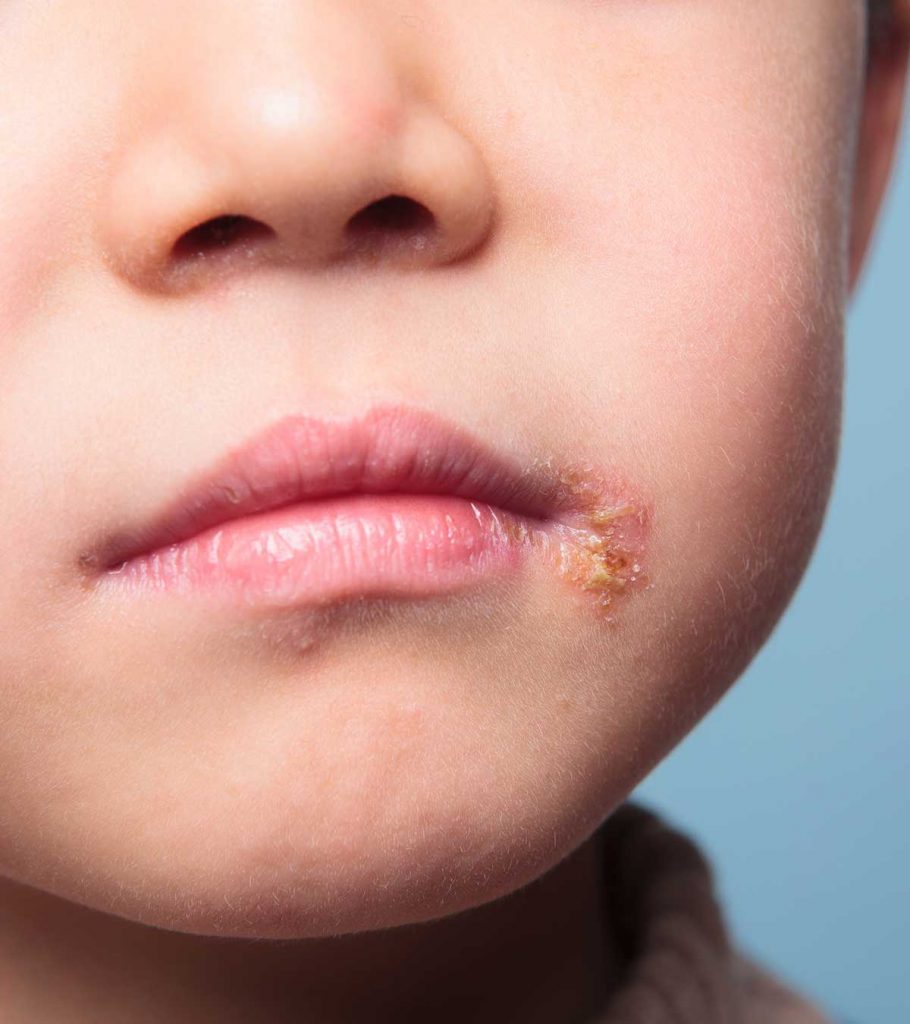
– fever blister. Genital herpes usually begins with a simple rash or itchiness in the genital area. Many babies go by many different names, but essentially the entire experience is the same: Telltale itching or burning near the genitals. Small red bumps appear a day or two later. Later, massive blisters emerge, often containing sores. Additional info found at do I have herpes.
– No visible sores. You might notice some irritation when you look at the rash on your child’s genital area. But, there will be no visible sores showing. This is a positive sign. If you have a parent or grandparent with herpes, you may notice outbreaks occur less frequently or not at all during an outbreak.
– Smells like herpes. If you have open sores in the genital area, you could have herpes. Children sometimes think that they don’t have any problems because the sores are on their hands and knees, so they get tested anyway. If you suspect that you do, you need to get tested right away.
– You or your partner had oral sex. If you or your partner used a condom during oral sex, and you have sores on your mouth or genitals, then you have herpes. The transmission method (hands, eyes, etc) doesn’t matter; the virus is alive and can be passed back and forth like a virus would.
If you have any of the above symptoms, you need to get tested for herpes. It is easy to avoid detection if you aren’t ready for it. The longer you go untreated, the worse your chances are of transmitting the disease. And you don’t get tested until you get into intercourse. By then, you could be contagious!
That’s why it is critical that you get tested before engaging in any kind of sexual activity. Also, you should let your doctor know about your sexual activities so that he or she can do the necessary genital herpes tests for you. Your doctor may give you a simple swab test at your gynecologist’s office that will tell him or her if you have been infected. If you do, you can begin treatment right away. There are many different herpes treatments available. However, you should take advantage of the one that your doctor gives you first and use as directed.
Genital herpes symptoms tend to vary from person to person, so you may not have all of the signs of herpes that others do. In addition, some people may not experience any symptoms at all. If you do experience them, there are two different types you can get tested for: the common cold sore and the fever blisters. When you have an outbreak of genital herpes, you generally experience redness, itching, burning, swollen blisters that turn white after a few days. These sores often itch so badly that your partner has to be careful and use a buffer, such as cotton balls, between the skin and the blisters to keep the sores from spreading.
Once you know you have herpes, you can start to take steps to improve your sex life. You should tell your partner immediately so that he or she can start treating you. If you have had unprotected sex, you should always use a condom during sex so that you don’t put yourself at risk for contracting herpes again. The only other thing you can do is abstain from sex until you know you don’t have any sexually transmitted diseases. You should also tell your gynecologist about your recent genital outbreak so that he or she can do the necessary tests to determine if you are in the clear.
 Pain Reduction School